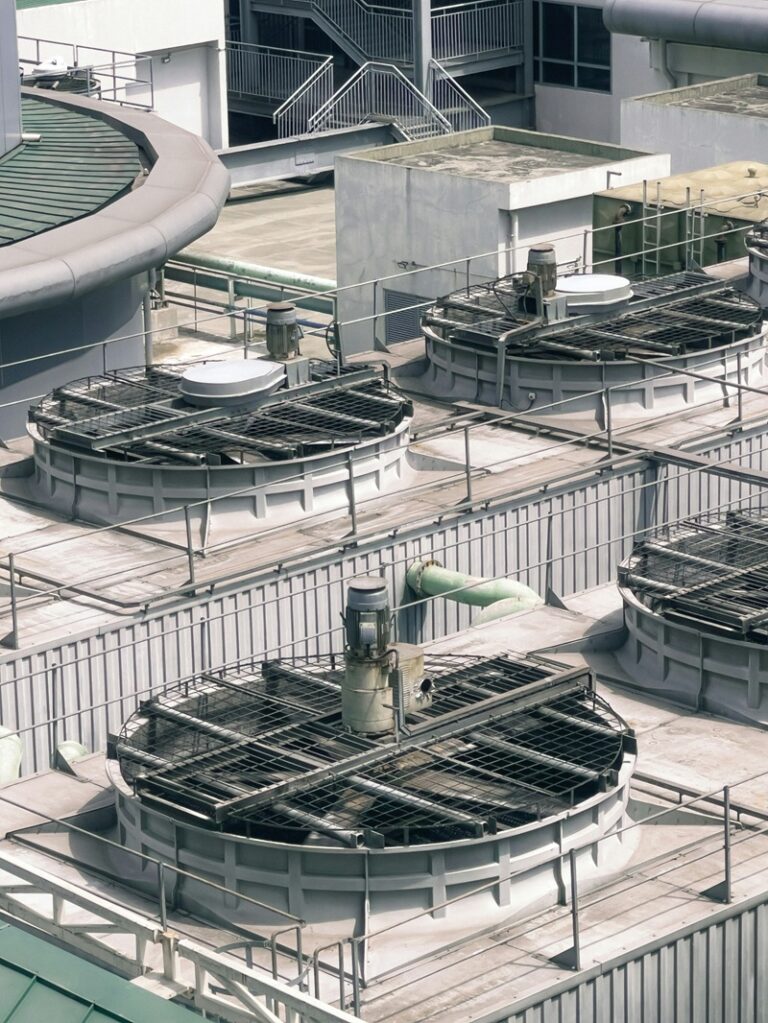
There is a window for commercial HVAC maintenance in the Southeast USA. It closes somewhere around the first week of June.
By July, HVAC systems are running at peak load across Charlotte, Atlanta, Tampa, Nashville, and every other Southeast market. Temperatures above 90 degrees. Humidity that pushes systems harder than any other season of the year. And the reactive maintenance calls are stacking up — because the maintenance that should have happened in April did not.
This post is for facility managers who are already in that position, and for those who want to make sure they are not in the same position next year.
What Happens to Commercial HVAC in a Southeast Summer
Southeast summers are genuinely hard on commercial building systems. This is not a generic weather observation — it has specific mechanical consequences.
HVAC compressors running at full load for months at a time accumulate wear faster than systems in more temperate climates. Condensate drain lines clog more frequently in high humidity, creating water damage risks if not cleared regularly. Refrigerant levels that were borderline in spring become critical failures in July. Belt-driven systems that were operating fine in cooler months show stress under continuous high-load operation.
In Atlanta, where temperatures regularly exceed 95 degrees from June through August, commercial HVAC systems are essentially running a summer-long endurance test. The ones that fail are almost always the ones that went into summer without a pre-season inspection.
The same pattern plays out in Tampa, where HVAC runs twelve months a year with no seasonal rest. In Charlotte, where the combination of heat and Piedmont humidity creates conditions that accelerate wear on coils and drainage. In Nashville, where four-season systems need pre-summer preparation that many maintenance programs skip.
The Numbers Behind the Cost
Reactive maintenance costs 4.8 times more per incident than the same work done on a planned schedule. That multiplier is always significant — but in summer it compounds.
Emergency HVAC response in the Southeast during peak summer carries a significant premium over standard rates. Contractors are at their busiest, availability is limited, and urgency commands a price. A compressor replacement that would cost $3,500 on a planned schedule in March can cost $8,000-12,000 on an emergency call in July — including after-hours rates, expedited parts delivery, and the premium for urgent response.
Multiply that across a multi-building portfolio and the cost of not having a preventative maintenance program becomes very clear, very quickly.
What a Pre-Summer HVAC Inspection Should Cover
For commercial buildings across the Southeast, a proper pre-summer HVAC inspection — ideally completed by the end of May — covers these areas:
Filters: Inspect and replace as needed. Clogged filters reduce airflow, force the system to work harder, and accelerate wear on compressors and fans. In high-dust commercial environments, filters may need monthly attention during peak season.
Condenser and evaporator coils: Clean and inspect for damage. Dirty coils dramatically reduce efficiency and increase electricity consumption — a significant cost in a summer that runs three to four months.
Refrigerant levels: Check and top up if needed. Low refrigerant is one of the most common causes of summer HVAC failure in commercial buildings. It is also one of the easiest preventative checks.
Condensate drain lines: Flush and clear. This is especially critical in high-humidity markets like Tampa, Charleston, and Miami where drain lines clog faster and water damage from blocked condensate is a real risk.
Belts and bearings: Inspect for wear, replace if necessary. A belt failure on a 95-degree day in Atlanta is an emergency. The belt itself costs a few dollars to replace preventatively.
Thermostat calibration: Verify accuracy across zones. Out-of-calibration thermostats create comfort complaints and energy waste — both expensive in their own ways.
Electrical connections: Check all connections at the unit for tightness and signs of heat damage. Loose connections under load create fire risk and system failure.
If You Are Already in Reactive Mode
If you are reading this in July and your buildings are already showing HVAC stress — the pre-summer window is closed, but the next decision still matters.
Prioritise by risk: Which systems serve the most critical spaces — data rooms, healthcare areas, large open-plan offices with no natural ventilation? These get attention first.
Document everything: Every reactive repair should be logged against the specific unit it was performed on. If the same unit has had two repairs this summer, that is capital replacement data you need for budget justification.
Get an outside view: If your current vendor is struggling to keep up with reactive calls, this is the moment to evaluate whether you have the right maintenance partner. A vendor who has the capacity and the structure to handle summer peaks is a different thing from one who is reachable in March and overwhelmed in July.
Building for Next Year
The facility managers who navigate Southeast summers without budget blowouts and tenant complaints are the ones who treat April and May as their maintenance season — not June, July, and August.
The investment in a structured preventative maintenance program typically pays back within the first summer. The specific ROI varies by building and portfolio size, but the pattern is consistent: planned maintenance at a fraction of the cost of emergency repairs.
If you manage commercial buildings across the Southeast and want an honest outside view of where your maintenance program stands — and what would make the biggest difference before next summer — Kibog offers a free, no-obligation facility assessment across NC, SC, GA, TN, VA, WV, and FL.
No pitch. No obligation. Just a practical set of observations and next steps you can act on.
Kibog provides multi-trade facility services across the Southeast USA. Our platform documents every job and builds the asset history that makes planning decisions data-driven rather than guesswork. Get in touch or call 1-866-526-8819.