Water supply lines run silently behind the walls and beneath the floors of every commercial property. Because plumbing works without daily intervention, it is easy for property managers to take water infrastructure for granted—until a main supply line fails or a shutoff valve freezes shut during an emergency.
Emergency plumbing calls aren’t just expensive; they disrupt entire buildings. A burst pipe or leaking main water valve can flood multi-floor suites, ruin electrical rooms, force tenant evacuations, and destroy operating capital.
The best defense against sudden plumbing disasters isn’t a quick emergency contractor call—it’s a structured program of commercial plumbing maintenance and routine valve audits.
The Hidden Weak Point: Unused Shutoff Valves
When a major leak occurs inside a commercial building, every second counts. Your maintenance team or a local plumber needs to shut off the water supply immediately.
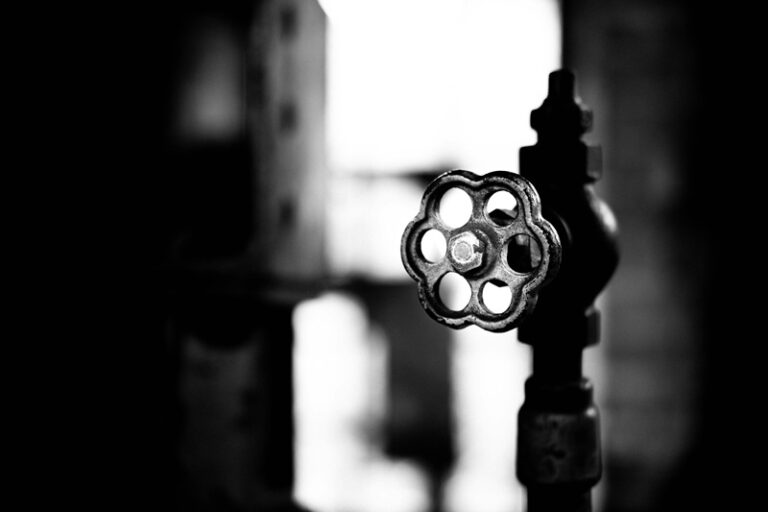
However, in many commercial properties, main isolation valves sit untouched for 5, 10, or even 15 years. Over time, mineral deposits build up inside the valve body, corrosion takes over, and the internal gate seizes.
When an emergency happens, technicians turn the valve wheel, only to find it completely frozen—or worse, the handle snaps off in their hands while water continues to flow.
What Happens During a Professional Plumbing Audit?
A commercial plumbing audit goes far beyond checking for dripping sink faucets. A qualified multi-trade technician systematically inspects your building’s high-risk pressure points:
-
Valve Exercising: Main shutoff and zone isolation valves are turned, lubricated, and tested to ensure they close completely during an emergency.
-
Backflow Preventer Inspections: Testing backflow devices to protect municipal water supplies and satisfy local building codes.
-
Water Pressure Regulator Checks: High municipal water pressure stresses internal fittings. Regulators are checked to ensure incoming pressure stays within safe commercial operating limits.
-
Drain and Cleanout Testing: Main sewer lines and grease traps are checked for early blockages before sewage backups occur in public areas.
-
Water Heater & Boiler Piping Inspections: Expansion tanks, pressure relief valves, and supply lines are checked for early signs of pinhole corrosion or thermal stress.
Protecting Your Property Long-Term
Plumbing maintenance transforms water infrastructure management from a series of expensive emergencies into a predictable, scheduled operating process. Catching a corroded flex line or a sticking isolation valve during a routine check costs a fraction of remediating a flooded floor.
When routine plumbing audits are paired with monitored response systems, your building gains full protection. Even if a line pinholes overnight, continuous monitoring flags the moisture instantly while your main valves are ready to turn.
Is your building’s plumbing infrastructure ready for an emergency?
Learn how our multi-trade technicians protect commercial water lines by exploring our Commercial Facility Services or contacting our team today.