When electricity is working properly in a commercial building, nobody gives it a second thought. Lights turn on, computers stay powered, rooftop HVAC fans hum, and daily operations keep moving.
However, electrical infrastructure rarely gives off obvious warning signs like a dripping water pipe or a squeaking belt. Issues often build up quietly inside breaker panels, disconnect switches, and distribution boxes over months or years.
By the time an electrical issue becomes noticeable, it usually manifests as a tripped main breaker, a dark office floor, or a sudden power drop that halts business operations.
Understanding the basics of commercial electrical maintenance helps facility managers stay proactive, protect expensive equipment, and ensure all specialized work is safely handled by qualified professionals.
Common Electrical Risks in Commercial Facilities
Commercial power systems handle heavy electrical loads every hour of the day. Over time, several routine issues can develop inside a building’s power infrastructure:
- Loose Wire Connections: Vibrations from nearby machinery or natural heating and cooling cycles can loosen connection terminals over time. Loose wiring creates electrical resistance, which generates excess heat and accelerates component wear.
- Phase Imbalances: Adding new office equipment, breakroom appliances, or specialized machinery over time without evaluating circuit loads can cause uneven strain on three-phase power supplies.
- Dust and Debris Accumulation: Dust buildup inside electrical enclosures acts as an insulator, trapping heat and increasing the risk of short circuits.
- Outdated Emergency Lighting: Backup battery units and emergency exit signs deteriorate over time, which can create safety hazards and compliance gaps during routine fire marshal inspections.
What to Request During a Professional Electrical Inspection
High-voltage commercial power systems require specialized expertise and strict safety protocols. Facility managers should establish routine inspection schedules with a qualified, licensed electrical contractor.
When scheduling a commercial electrical audit, recommended best-practice items to request include:
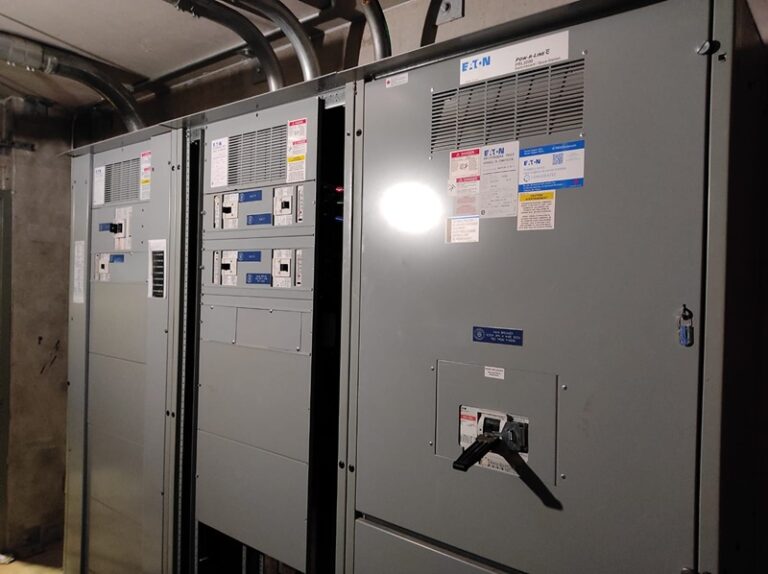
- Panel and Breaker Checks: Having a licensed electrician inspect main distribution panels for signs of physical wear, loose connections, or overloaded breakers.
- Infrared Thermal Scans: Requesting thermal imaging scans of main switchgear. Thermal cameras identify hidden temperature spikes inside panels before components fail.
- Voltage and Current Audits: Measuring voltage balance across phases to ensure heavy commercial equipment receives clean, stable power.
- Safety Disconnect Reviews: Inspecting local safety shutoff switches near rooftop HVAC units, water heaters, and exhaust fans.
- Emergency System Testing: Verifying that backup generator transfer switches and emergency exit lighting function as intended.
Important Safety Note: All inspection, installation, and repair work on commercial electrical systems should always be performed strictly by licensed, insured electrical contractors in accordance with local building codes.
Streamlining Facility Maintenance & Vendor Records
While hands-on electrical repairs must be performed by certified trade specialists, keeping track of when inspections occurred, what was serviced, and which contractor completed the work is a core responsibility for facility leaders.
Using a transparent work order management platform allows property managers to log inspection schedules, store digital service records from licensed trade partners, and maintain a complete, photo-verified history of every property update.
Looking for a reliable partner to manage and coordinate your facility upkeep?
Explore how our multi-trade service coordination helps property and facility managers keep their buildings running smoothly on our Commercial Facility Services Page or get in touch with our team today.