Why Preventative Maintenance Pays for Itself
Every facility manager knows the feeling: a system fails without warning, on the worst possible day, and suddenly you’re paying premium rates for emergency service while tenants ask when things will be back to normal. It’s stressful, it’s expensive, and most of the time, it was avoidable.
That’s the case for preventative maintenance in a single sentence. But the full picture — why planned upkeep consistently costs less than waiting for things to break — is worth understanding, because it’s one of the highest-return decisions an FM team can make.
The real cost of reactive maintenance
“Run it until it breaks” feels economical because you’re not spending money until you have to. The problem is what you spend when that moment arrives.
Emergency premiums. Urgent, after-hours, and rush work almost always carries a higher rate than scheduled service. You’re paying for speed at the exact moment you have the least leverage.
Collateral damage. A small failure rarely stays small. A neglected leak becomes water damage. A failing HVAC compressor becomes a full replacement. The longer a minor issue goes unaddressed, the more it tends to cost.
Downtime and disruption. When a system goes down, the cost isn’t just the repair — it’s the tenant complaints, the disrupted operations, and the hit to your credibility as the person responsible for keeping the building running.
Shortened asset life. Equipment that isn’t maintained wears out faster. Skipping routine service to save money today often means replacing expensive systems years earlier than necessary.
How preventative maintenance saves money
A preventative maintenance program flips the equation — trading small, predictable costs for the avoidance of large, unpredictable ones.
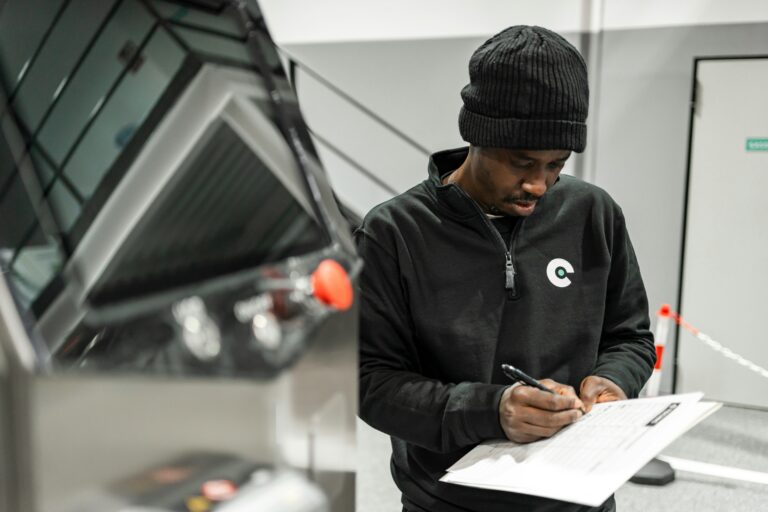
Problems caught early. Scheduled inspections surface worn belts, clogged filters, and small leaks before they cascade into failures. Catching an issue during a routine visit is almost always cheaper than responding to it as an emergency.
Planned, not panicked. Work that’s scheduled in advance can be done efficiently, at standard rates, at a time that suits your operations — not at 2 a.m. at a premium.
Longer equipment life. Regular service keeps systems running closer to their designed lifespan, deferring major capital expenses and improving your total cost of ownership.
Fewer surprises in the budget. Predictable maintenance spending is far easier to plan around than a year punctuated by emergency repairs you couldn’t forecast.
What a good program looks like
An effective preventative maintenance program isn’t complicated, but it does need structure:
- A sensible cadence — monthly, quarterly, or annual inspections matched to each system’s needs.
- Coverage across the building — HVAC/R, plumbing, electrical, and the building envelope, not just the equipment that’s failed before.
- Tracked consumables — filters, belts, and wear parts replaced and documented on schedule.
- Clear records — completion reports that give you a documented history for budgeting, compliance, and client reporting.
That last point is where a modern facility partner adds quiet value. A good program produces a clean documentation trail — and the better ones work with your existing work order or CMMS system rather than forcing you onto something new. The result is a maintenance history you can actually use: to justify budgets, demonstrate compliance, and plan capital spending with confidence.
Getting started
You don’t have to build the perfect program overnight. The most important step is shifting from a reactive posture to a planned one — starting with the systems whose failure would hurt the most, and expanding from there.
The math tends to make itself obvious within the first year: fewer emergency call-outs, fewer nasty surprises, and a building that simply runs better. Preventative maintenance isn’t an expense to minimize. It’s an investment that pays for itself.
Kibog designs preventative maintenance programs around your portfolio and your existing workflow — built to reduce emergencies and keep your buildings running reliably. Talk to our team about a program for your facilities.