
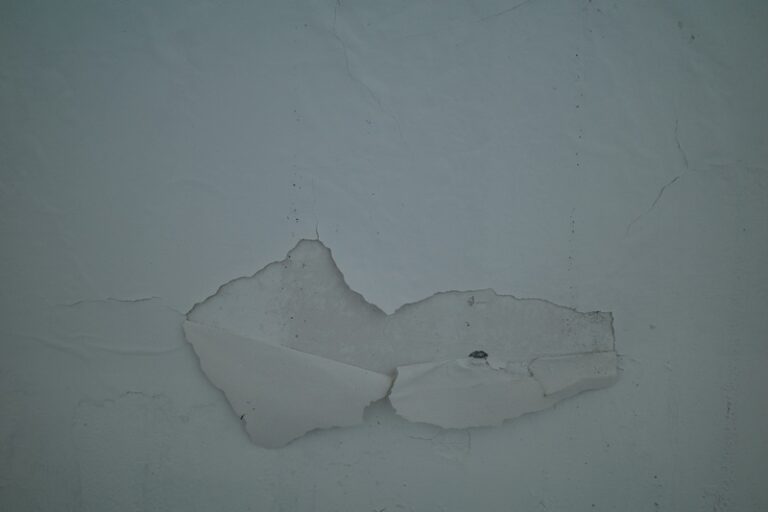
A stained ceiling tile and a soft patch of drywall on the wall below it are frequently symptoms of the same root cause, not two unrelated repair requests — and treating them as separate work orders can mean fixing the visible damage twice while the actual source keeps causing it, often in a slightly different spot the second time, which makes the connection even harder to spot after the fact.
This happens more often than facility teams expect, mostly because the two types of damage usually get reported separately, sometimes weeks or months apart and sometimes by different people. A tenant notices the ceiling stain and puts in a request. A different tenant, or the same one later, notices the drywall soft spot and puts in a second, unrelated-looking request. Two work orders get opened, two repairs get scheduled, and unless someone specifically connects the dots, both get treated as independent cosmetic issues rather than as two data points pointing at the same underlying problem.
Ceiling tile damage is almost always a signal, not just cosmetic wear. A brown ring or sagging tile usually means water intrusion from above — a roof issue, a leaking pipe in the plenum, or condensation from HVAC ductwork dripping onto the tile over time. Replacing the tile without identifying the source just means the same stain reappears in a few months, often on a different tile nearby as the water finds a slightly different path through the ceiling grid. A facility manager who’s replaced the same section of ceiling tile more than once in a year has strong evidence of an active, unresolved source — the tile itself was never the problem.
Drywall damage lower on the same wall can be the continuation of that same water path, tracking down through a stud cavity from the ceiling intrusion above, or it can be an entirely separate issue — impact damage, settling cracks from normal building movement, or moisture from a completely different source like a plumbing fixture on the other side of the wall. Telling these apart matters because the repair approach is different in each case: a settling crack just needs a patch, while an active moisture source needs the source addressed first or the same damage returns. The diagnostic step matters here too: patching drywall over an active moisture source treats the appearance, not the cause, and the patch will fail again, sometimes within weeks if the moisture source is significant.
A few practical signals help tell the difference without needing to open up the wall. Staining that follows a consistent pattern — always the same corner, always worse after rain — points toward an external source like a roof or exterior wall penetration. Staining tied to HVAC operating cycles points toward condensation. A soft spot that’s warm to the touch or near ductwork suggests something different than one near a plumbing wall. None of these are definitive on their own, but together they narrow down where to actually look before opening anything up, which saves time compared to guessing.
The practical approach is to treat visible interior damage as a starting point for a quick diagnosis, not just a repair ticket: is this isolated, or does it connect to something above, below, or behind it? Once the source is identified, the actual repair — whether it’s the tile, the drywall, or both — holds, instead of becoming a repeat work order that shows up again on next quarter’s list. This is also a natural fit for the bundled site visit program, since a diagnosis-first visit often turns up more than one related item worth addressing at the same time, and a technician looking at the ceiling stain is well positioned to also check the wall below it in the same trip rather than treating them as two separate calls.
There’s a cost dimension worth naming plainly, without attaching numbers that vary by building and severity: a repair-without-diagnosis approach isn’t actually cheaper in the long run, even though it looks cheaper on the individual work order. Patching drywall or swapping a tile without addressing an active source means paying for the same repair again, sometimes more than once, and each recurrence carries its own scheduling and disruption cost on top of the repeat material and labor cost. A diagnosis-first approach costs a bit more time on the first visit and, in most cases, considerably less over the life of the building.
It’s also worth knowing when a diagnostic visit surfaces something beyond the scope of a standard repair — active structural water intrusion, a roofing issue, or a plumbing problem that needs its own dedicated attention. In those cases, the right outcome isn’t forcing a patch over a problem that needs a different kind of fix; it’s an honest assessment that flags what was found and what it actually requires, so a facility manager can make an informed decision about next steps rather than getting a repair that looks complete but isn’t addressing the real issue underneath it.
For facility teams managing multiple buildings, this kind of pattern is also worth tracking over time rather than treating each incident as isolated. A building with recurring ceiling or drywall damage in the same general area, even after individual repairs, is telling a facility manager something a single work order won’t — that there’s a persistent source that hasn’t actually been resolved yet, whatever the maintenance records for the visible repairs might suggest. Documented repair history by location is what makes that pattern visible instead of something felt vaguely but never actually confirmed.