Not every commercial coffee machine fails the same way, and understanding the difference helps set realistic expectations before a technician even arrives. Here’s a practical breakdown of what actually goes wrong on the three main categories of machine found in GTA offices.
Single-Serve Pod Brewers (Flavia, Keurig Commercial Lines, and Similar)
These machines are mechanically simpler than drip or espresso units, but they have their own specific failure points. The piercing needle and pod chamber can clog with grounds or coffee residue over time, leading to weak or incomplete brews. Brew-unit leaks happen as internal seals around the pod chamber wear out with high-volume use, leading to water leaking out the bottom or sides. Dispensing inconsistency, meaning inconsistent cup fill levels, usually points to a partially clogged water line or a failing pump, often related to descaling being overdue.
Most single-serve repairs are relatively fast, since the mechanism is straightforward, a leak or dispensing issue is often resolved in one visit.
Commercial Drip Brewers (Bunn and Similar)
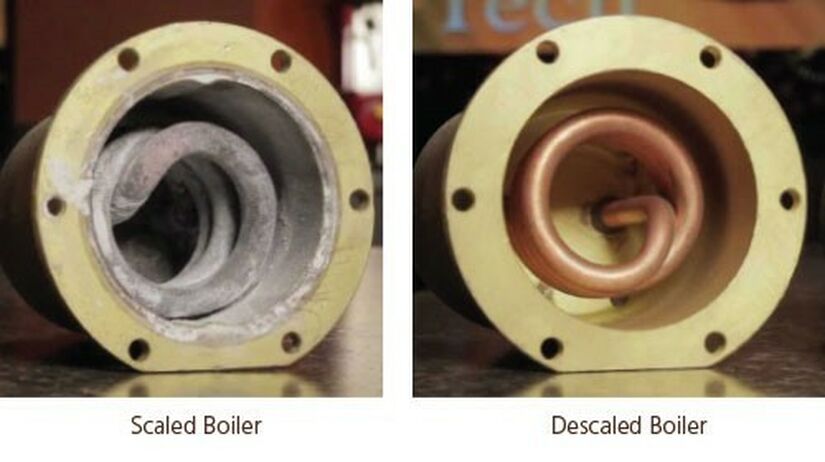
Drip brewers see the highest volume in most offices and take correspondingly more wear. Heating element failure is the most common serious repair, often preceded by slower brew cycles or lukewarm coffee as an early warning sign. Warmer plate issues, meaning a warmer plate that isn’t reaching or holding temperature, is a common, usually inexpensive fix. Spray head clogging from scale buildup causes uneven or slow water distribution over the grounds, leading to weak or inconsistent brews.
Drip brewers are generally the most repairable and cost-effective category to service, since parts are widely available and the mechanism is well understood.
Bean-to-Cup and Espresso Machines
These are the most mechanically complex machines commonly found in office settings, and repairs here tend to be more involved. Grinder issues, meaning inconsistent grind size or a grinder that jams, are one of the most frequent espresso machine complaints, often from beans that are too oily for the grinder or from scale affecting the burr assembly. Pump and boiler problems, meaning pressure inconsistency, slow heating, or a machine that won’t build pressure at all, usually point to pump or boiler issues, which require more diagnostic time. Seal and gasket wear happens because espresso machines run at higher pressure than drip or single-serve units, so seals wear faster and leaks are a more frequent repair category.
Espresso machine repairs typically take longer to diagnose accurately, since several different components can produce similar symptoms.
The Common Thread
Across all three categories, the majority of repair calls trace back to one of two root causes: scale buildup from skipped descaling, or a worn seal or gasket from normal use. For more on preventing the most common root cause, see our guide on commercial coffee machine descaling.
Not sure what’s actually wrong with your machine? Talk to our team, a quick description of the symptoms usually narrows it down before we even arrive.
Explore more: Coffee Machine Repair, GTA & Hamilton