Water damage is one of the most expensive and most preventable categories of facility loss. A slow leak behind a wall or under a floor can run for weeks before it’s visually obvious, by which point the damage has spread well beyond the original source. A single undetected leak in a commercial building commonly runs $15,000 to $40,000 in remediation, equipment replacement, and business disruption, often for a problem a $50 sensor would have caught in its first hour.
This post covers where water leak sensors actually deliver that value, and where they’re a lower priority than facility managers sometimes assume. For the full picture of facility monitoring strategy, see our IoT Solutions page.
The High-Value Locations
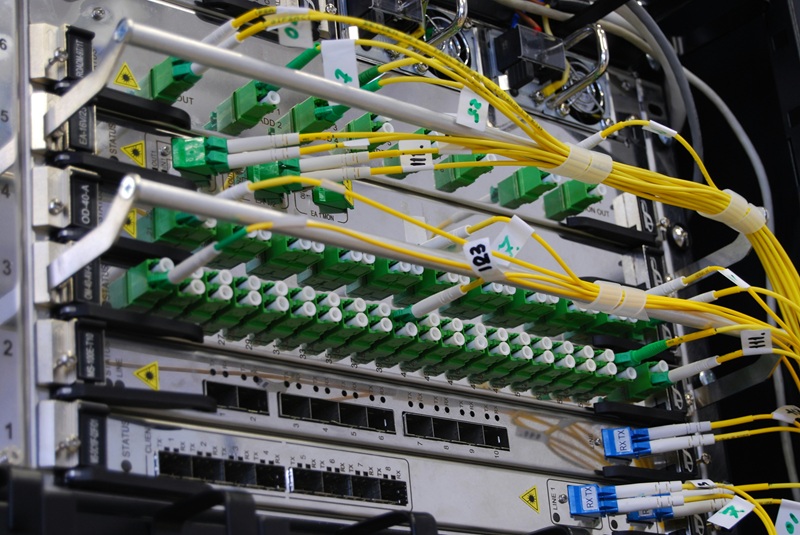
Mechanical and electrical rooms. These spaces combine two risk factors: they’re where water-carrying equipment (HVAC condensate lines, water heaters, sprinkler risers) is concentrated, and they’re checked infrequently because they’re not occupied space. A leak here can run for days before anyone walks through.
Below or near water heaters and boilers. Aging water heaters are one of the most common sources of commercial water damage, and failure is often sudden rather than gradual, a sensor at floor level catches this within minutes rather than at the next scheduled inspection.
Server and IT closets. The cost of water damage here isn’t just the water itself, it’s the business systems that go down with it. A sensor is inexpensive insurance against a catastrophically expensive outcome.
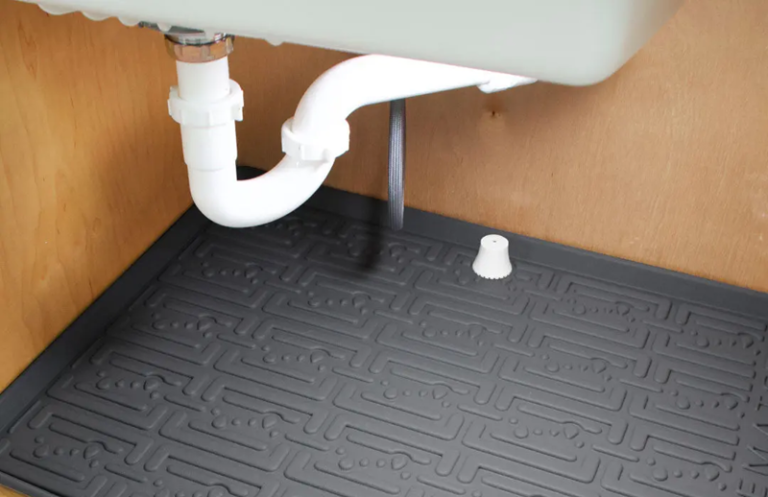
Beneath sinks and around plumbing fixtures in commercial kitchens. Commercial kitchens have far more plumbing connections and higher usage volume than a typical office restroom, which means more failure points concentrated in one space.
Rooftop, near rooftop units and drain lines. Clogged condensate or roof drains are a common and often slow-developing source of water intrusion, frequently discovered only when it reaches a ceiling tile below.
Where They’re a Lower Priority
General office space with no plumbing. A sensor in an open office area with no nearby water source is rarely the highest-value place to start, that budget is usually better spent on the mechanical room down the hall.
Spaces that are already checked daily by staff for other reasons. If a space has reliable, frequent human eyes on it already (an active kitchen during service hours, for example), the marginal value of a sensor is lower than in an infrequently checked space.
This isn’t a reason to skip sensors in these areas entirely if budget allows, it’s a prioritization principle for facilities working with a limited initial rollout, which per our IoT monitoring checklist is almost every facility starting out.
What a Good Water Leak Sensor Setup Actually Includes
A leak sensor alone, without a real alert and response plan, just delays the discovery slightly rather than preventing the damage. A complete setup includes:
- The sensor itself, placed at floor level or directly beneath the highest-risk point
- A real-time alert to a specific person, not a dashboard nobody checks
- A documented response, who shuts off water, who assesses damage, who calls for repair
Kibog’s Water Damage Prevention Kit bundles sensors for the highest-risk locations above with configuration included, so alerts are routed correctly from day one.
Curious where the highest-risk spots are in your specific building? Explore our sensor kits or talk to our team for a walkthrough.
Explore more: IoT Solutions