IoT Solutions

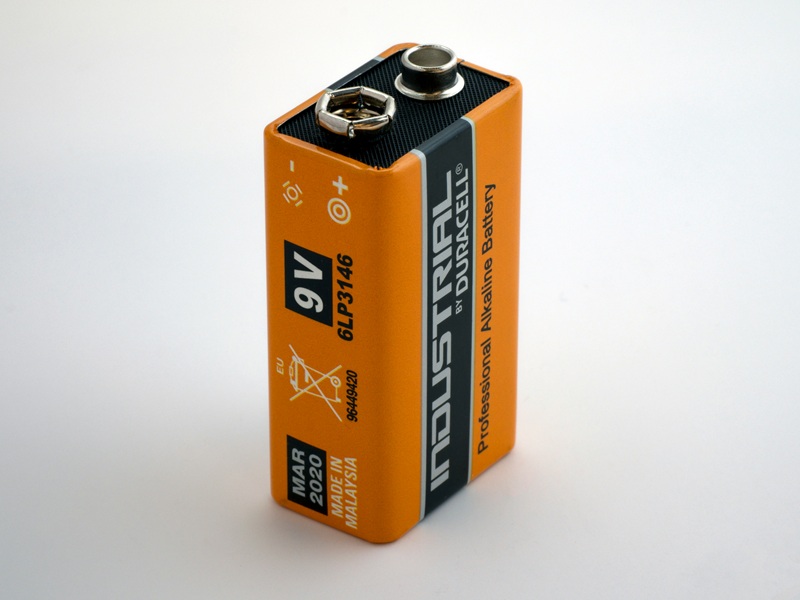
Wireless sensor with battery compartment open showing replaceable battery

Sensor Battery Life: What Actually Drains It and How Long Kits Really Last

One of the most common practical questions about wireless sensors, and one that gets a frustratingly vague answer from most manufacturers, is simply: how long does the battery actually last. Spec sheets often list an optimistic best-case number that rarely matches reality. Here’s what actually determines real-world battery life, and how to plan maintenance around […]

Sensor Battery Life: What Actually Drains It and How Long Kits Really Last Read More »

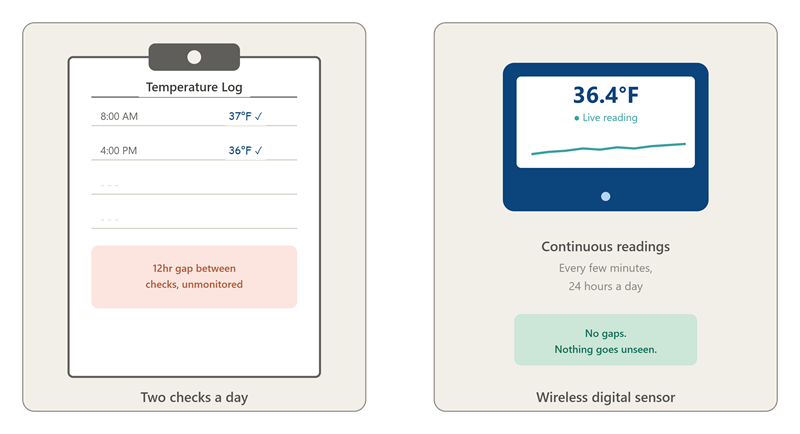
Comparison of a handwritten temperature log clipboard and a wireless digital temperature sensor

Replacing Manual Temperature Logs with Automated Monitoring: What Actually Changes

62% of US facility managers were still using spreadsheets or disconnected systems to track their operations as of 2026, and for temperature-sensitive spaces specifically, that often means someone walking a clipboard around twice a day, writing down a number, and hoping nothing goes wrong between readings. This is more common than most people outside facilities

Replacing Manual Temperature Logs with Automated Monitoring: What Actually Changes Read More »

Food Storage Rack in a grocery store.

FSMA Compliance Temperature Monitoring: What Food Distributors Need to Know

For food distributors, commercial kitchens, cold storage warehouses, and grocery operations, food safety isn’t just an operational priority—it is a strict legal mandate. Under the FDA’s Food Safety Modernization Act (FSMA), businesses that transport, store, or process perishable food items must demonstrate strict, documented preventative controls against temperature excursions. Failing an FSMA audit or suffering

FSMA Compliance Temperature Monitoring: What Food Distributors Need to Know Read More »

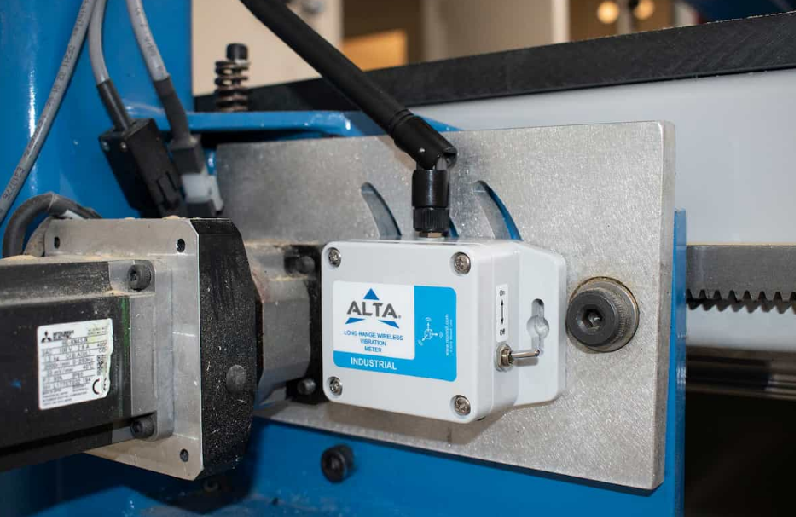
Wireless HVAC vibration sensor installed on a commercial equipment.

How Wireless Power & Vibration Sensors Flag HVAC Failure Before It Happens

Commercial heating and air conditioning units rarely fail without warning. Long before a compressor seizes or an air handler motor burns out, the machine gives off early physical indicators that something is wrong. The motor starts vibrating slightly as bearings wear down. The electrical draw spikes as the system struggles against internal resistance. To the

How Wireless Power & Vibration Sensors Flag HVAC Failure Before It Happens Read More »

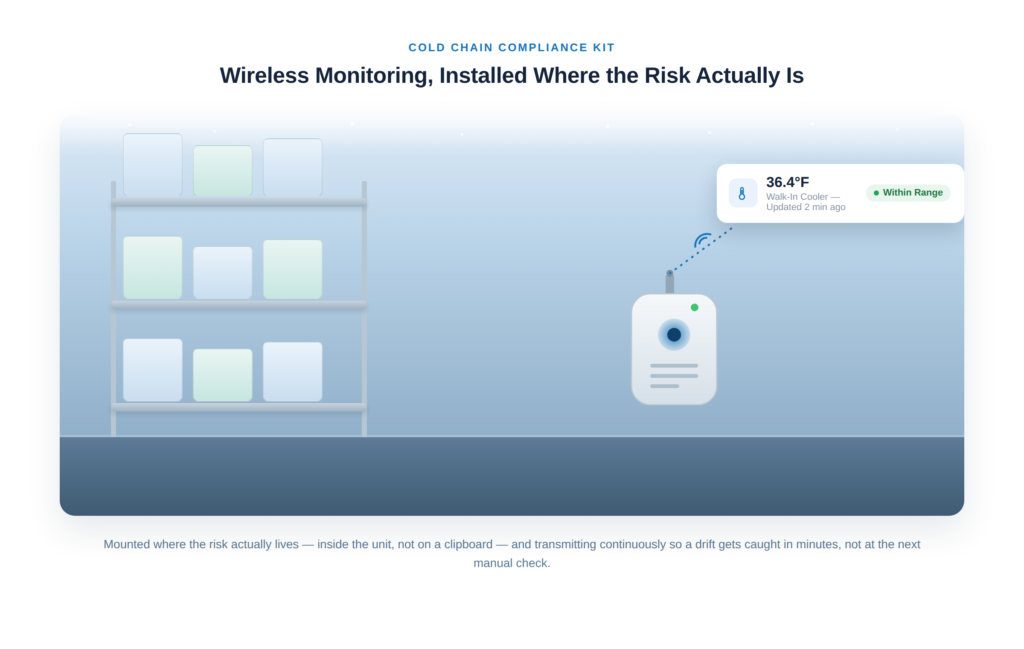
Wireless temperature monitoring probe installed inside a commercial restaurant walk-in cooler.

Walk-In Cooler Monitoring: What Restaurants and Food Distributors Need to Know

For restaurants, grocery operators, and food distributors, walk-in coolers and freezers house your most valuable daily asset: your inventory. A single refrigeration failure over a holiday weekend or overnight can result in $5,000 to $15,000 in lost food, emergency repair fees, and lost health inspection points. Despite this massive financial risk, many food service businesses

Walk-In Cooler Monitoring: What Restaurants and Food Distributors Need to Know Read More »

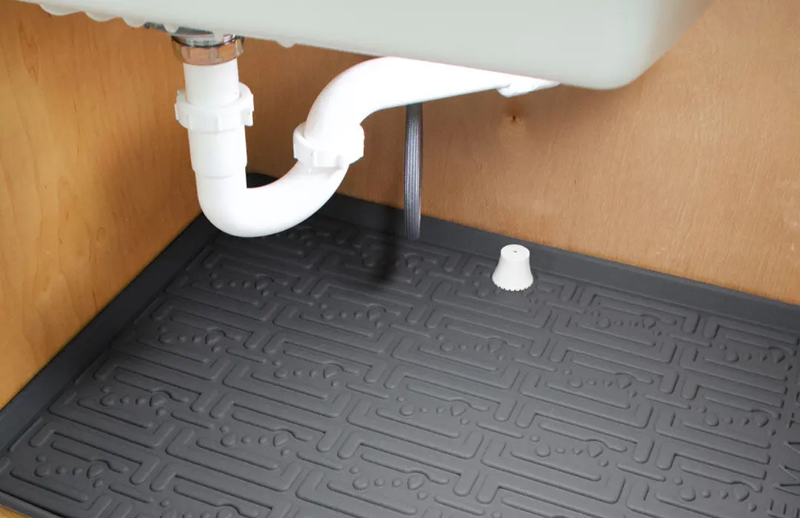
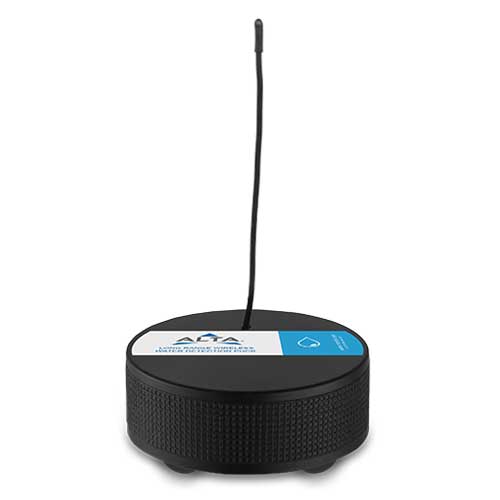
Wireless water leak detection sensor placed near a commercial water heater base.

Water Leak Sensors for Commercial Buildings: Where to Place Them for Maximum Protection

Water damage is every property manager’s worst nightmare. Unlike a slow heating issue or a flickering light, an undetected water leak causes severe, immediate damage that compounds by the minute. A broken supply line over a weekend can flood elevator shafts, ruin server infrastructure, destroy ceiling tiles, and create mold hazards that cost tens of

Water Leak Sensors for Commercial Buildings: Where to Place Them for Maximum Protection Read More »