
Commercial heating and air conditioning units rarely fail without warning. Long before a compressor seizes or an air handler motor burns out, the machine gives off early physical indicators that something is wrong.
The motor starts vibrating slightly as bearings wear down. The electrical draw spikes as the system struggles against internal resistance.
To the naked eye or a quick visual walk-through, the machine appears to be working fine. But under the hood, a catastrophic failure is brewing.
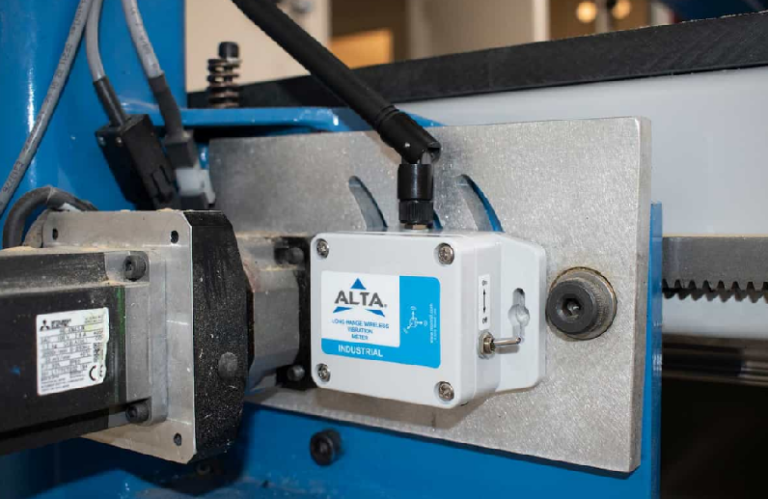
By attaching wireless HVAC power and vibration sensors, facility managers can catch mechanical failure days or weeks before a breakdown occurs.
How Vibration Sensors Catch Mechanical Wear
Every rotating shaft, fan motor, and compressor operates within a baseline vibration frequency. When internal components begin to wear out, that frequency changes:
- Worn Bearings: Produce a distinct high-frequency vibration long before they overheat and lock up.
- Imbalanced Fan Blades: Create rhythmic wobble that stresses motor mounts and housing.
- Misaligned Belts: Cause uneven pull forces that damage drive shafts.
Wireless vibration sensors mount directly to the motor casing using magnetic bases. When vibration levels cross safe thresholds, the system flags the unit for inspection during the next routine service visit.
How Power Draw Sensors Flag Electrical Strain
Electric motors draw a consistent amount of current (Amps) under normal operating conditions. When mechanical components drag, current draw increases:
- Dirty Coils: Force compressors to run longer and draw more power to cool the building.
- Failing Capacitors: Cause sudden current spikes during motor startup.
- Restricted Airflow: Forces fan motors to work harder, generating excessive electrical heat.
Wireless current transformers (CT sensors) clip around the motor’s power supply wires without cutting cables or interrupting electrical service. They log real-time power draw continuously.
Moving from Reactive Repairs to Predictive Maintenance
Installing power and vibration sensors gives your facility team early warnings. Instead of dealing with an emergency AC outage on a 95°F afternoon, you schedule a low-cost bearing replacement on a Tuesday morning.
When wireless sensors are paired with monitored dispatch services, maintenance teams receive real-time alerts the moment electrical or mechanical parameters drift.
Want to catch equipment failures before they derail your day?
Explore our hardware options on the IoT Solutions Hub to see how wireless monitoring protects your HVAC investments.