
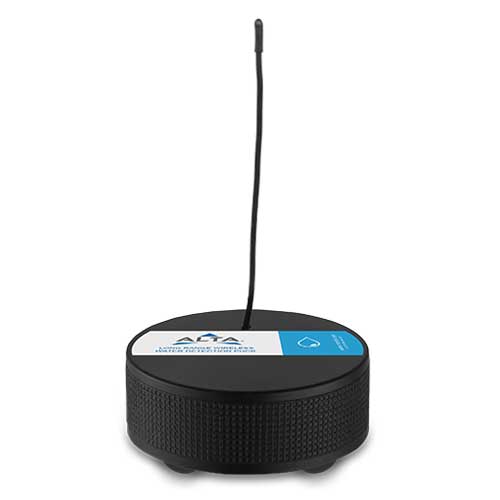
Water damage is every property manager’s worst nightmare. Unlike a slow heating issue or a flickering light, an undetected water leak causes severe, immediate damage that compounds by the minute.
A broken supply line over a weekend can flood elevator shafts, ruin server infrastructure, destroy ceiling tiles, and create mold hazards that cost tens of thousands of dollars to remediate.
Installing wireless water leak sensors is one of the fastest, most affordable ways to protect your building. But simply buying sensors isn’t enough—you need to place them where water actually starts collecting.
Here is a practical guide on where to position water leak sensors for maximum property protection.
1. Mechanical Rooms and Boiler Rooms
Mechanical rooms are ground zero for water threats. Boilers, hot water tanks, and circulating pumps constantly operate under pressure.
- Where to place sensors: On the floor directly beneath water heaters, near drainage lines, and right beside major pumps and expansion tanks.
2. Beneath HVAC Air Handling Units and Drain Pans
Air conditioning units draw moisture from the air, producing gallons of condensation daily. If a condensate drain line clogs with algae or debris, the primary drain pan overflows.
- Where to place sensors: Inside or directly below drip pans under rooftop units, ceiling-mounted fan coil units, and central air handlers.
3. IT Rooms and Server Closets
Server rooms often sit directly below plumbing lines or roof drains. A single drop of water landing on a main server rack can shut down business operations instantly.
- Where to place sensors: On the floor around the perimeter of the room, under raised floors, and directly below any overhead plumbing runs or cooling units.
4. Restrooms and Commercial Kitchens
High-use plumbing fixtures eventually fail. Clogged toilets, leaking flex lines under sinks, and failing ice machine connections are common source points.
- Where to place sensors: Behind commercial toilets, under sink vanity cabinets, and beneath ice machines, dishwashers, and drinking fountains.
5. Near Sump Pumps and Elevator Pits
Sump pumps keep ground water out of lower levels. If a sump pump motor fails during a heavy rainstorm, basements flood rapidly.
- Where to place sensors: Position a sensor puck or rope sensor at the rim of the sump pit to alert you if water rises above normal pump activation levels.
Hardware Is Only the First Step
Deploying sensors in these critical locations gives your building a voice. But remember: a sensor only detects water.
To turn detection into protection, make sure your leak sensors are connected to an active response system that gets a technician on site fast when moisture is found.
Looking for the right monitoring hardware for your property?
Check out our pre-configured hardware packages on our IoT Solutions Hub.