
July 2026

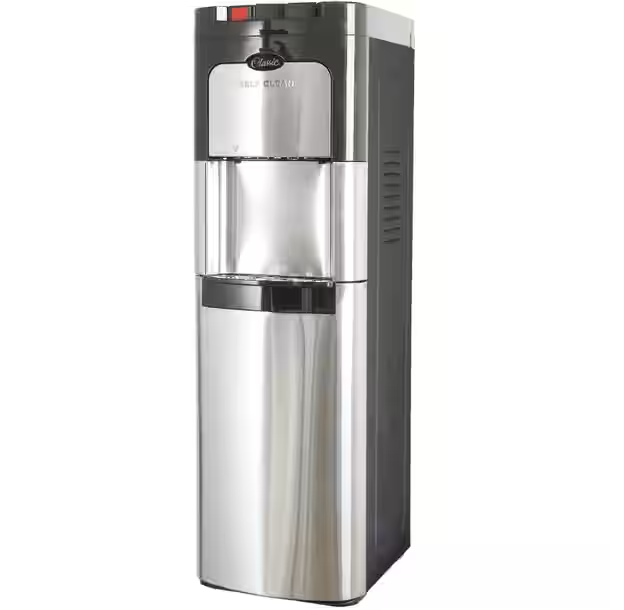
Bottleless water cooler in a commercial office breakroom

Bottleless vs. Bottled Water Coolers: What Actually Changes for Your Office

Offices switching away from bottled water coolers usually do it for one of two reasons: they’re tired of the delivery schedule and bottle storage, or they’ve done the math on ongoing cost. Both are legitimate reasons, but it’s worth being clear-eyed about what actually changes, not just what improves. What You Gain No more delivery

Bottleless vs. Bottled Water Coolers: What Actually Changes for Your Office Read More »

Water Cooler Service When You’re Not Under a Distributor Contract

Bottleless water coolers are usually purchased outright specifically to avoid the ongoing lease and delivery commitments that come with bottled units. That’s a genuinely good reason to go bottleless, but it also means there’s often no existing service relationship to call on when something goes wrong, since the whole point was avoiding an ongoing distributor

Water Cooler Service When You’re Not Under a Distributor Contract Read More »

Comparison of single-serve, drip, and espresso commercial coffee machines

Single-Serve vs. Drip vs. Espresso: What Actually Breaks on Each

Not every commercial coffee machine fails the same way, and understanding the difference helps set realistic expectations before a technician even arrives. Here’s a practical breakdown of what actually goes wrong on the three main categories of machine found in GTA offices. Single-Serve Pod Brewers (Flavia, Keurig Commercial Lines, and Similar) These machines are mechanically

Single-Serve vs. Drip vs. Espresso: What Actually Breaks on Each Read More »

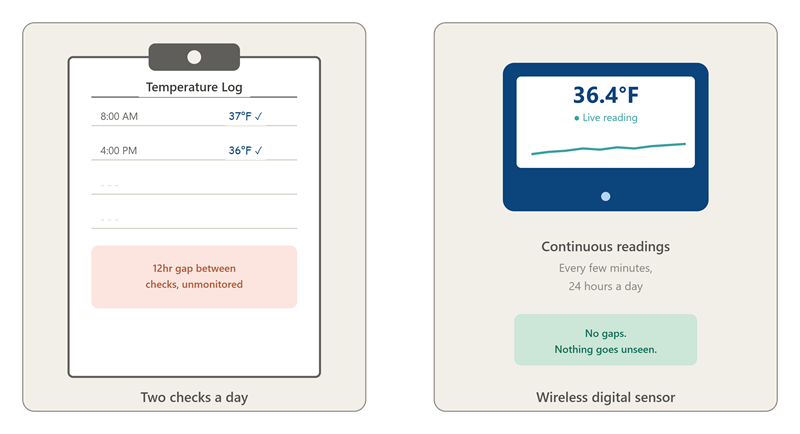
Comparison of a handwritten temperature log clipboard and a wireless digital temperature sensor

Replacing Manual Temperature Logs with Automated Monitoring: What Actually Changes

62% of US facility managers were still using spreadsheets or disconnected systems to track their operations as of 2026, and for temperature-sensitive spaces specifically, that often means someone walking a clipboard around twice a day, writing down a number, and hoping nothing goes wrong between readings. This is more common than most people outside facilities

Replacing Manual Temperature Logs with Automated Monitoring: What Actually Changes Read More »

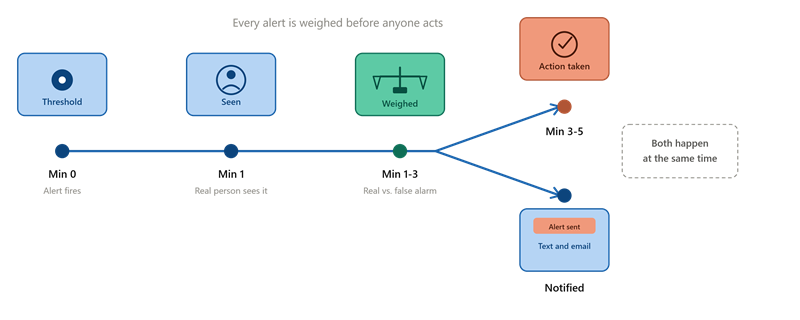
Timeline diagram showing the five-minute sequence from sensor alert to client notification

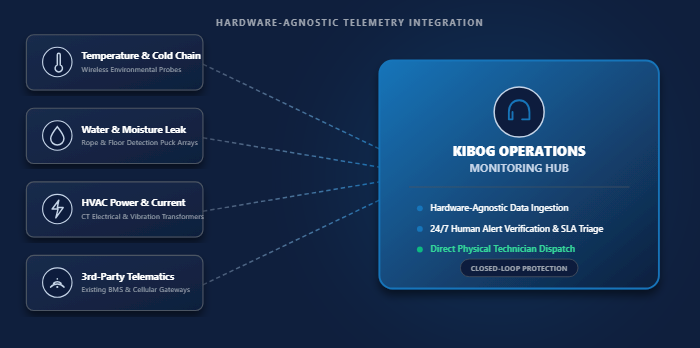
What Actually Happens in the First 5 Minutes After a Sensor Alert Fires

Most conversations about facility monitoring focus on the sensor and the alert itself, what triggers it, how sensitive the threshold is, how fast the notification arrives. Less attention goes to what actually happens in the minutes immediately after an alert fires, even though that window is usually what determines whether the situation stays minor or

What Actually Happens in the First 5 Minutes After a Sensor Alert Fires Read More »

Technician repairing a commercial coffee machine not covered by a distributor service contract

Why Your Coffee Machine Wholesaler Won’t Service It (and What to Do Instead)

An office manager in North York recently called four different coffee machine service companies about a Flavia brewer that had stopped heating properly. All four gave some version of the same answer: “We only service machines we sold or leased.” The machine had come with the office when the company moved in two years earlier.

Why Your Coffee Machine Wholesaler Won’t Service It (and What to Do Instead) Read More »

Empty residential hallway with natural light, representing a vacant home monitored by wireless sensors

How a Property Management Company Cut Vacant Home Visits From Daily to Weekly

A property management company managing a portfolio of vacant homes had a straightforward but expensive problem: every empty property needed to be physically checked, regularly, to catch issues before they became disasters. A pipe freezing in an unheated basement in January. A door left unsecured after a contractor visit. A slow leak that goes unnoticed

How a Property Management Company Cut Vacant Home Visits From Daily to Weekly Read More »

Office entrance door.

Door & Hardware Upkeep: Protecting Building Security and ADA Compliance

Think about how many times an exterior entrance door or a shipping/receiving door or lobby entryway opens and closes during a single business day. Employees, tenants, delivery drivers, and visitors pass through constantly. Because commercial doors get heavy physical use, their internal hardware—hydraulic closers, hinges, panic bars, electronic latches, and weather stripping—wears out faster than

Door & Hardware Upkeep: Protecting Building Security and ADA Compliance Read More »

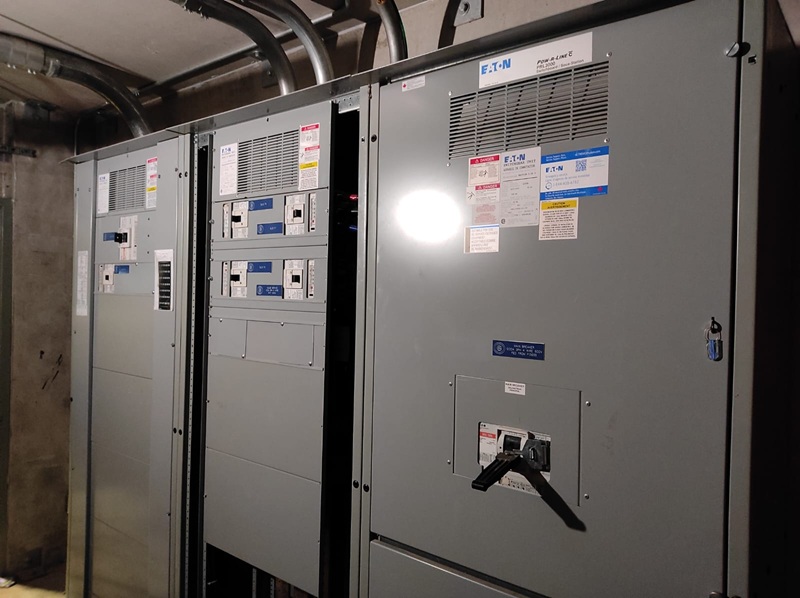
Commercial facility electrical room with labeled electrical distribution panels.

Preventing Circuit Overloads: A Guide to Commercial Electrical Maintenance

When electricity is working properly in a commercial building, nobody gives it a second thought. Lights turn on, computers stay powered, rooftop HVAC fans hum, and daily operations keep moving. However, electrical infrastructure rarely gives off obvious warning signs like a dripping water pipe or a squeaking belt. Issues often build up quietly inside breaker

Preventing Circuit Overloads: A Guide to Commercial Electrical Maintenance Read More »

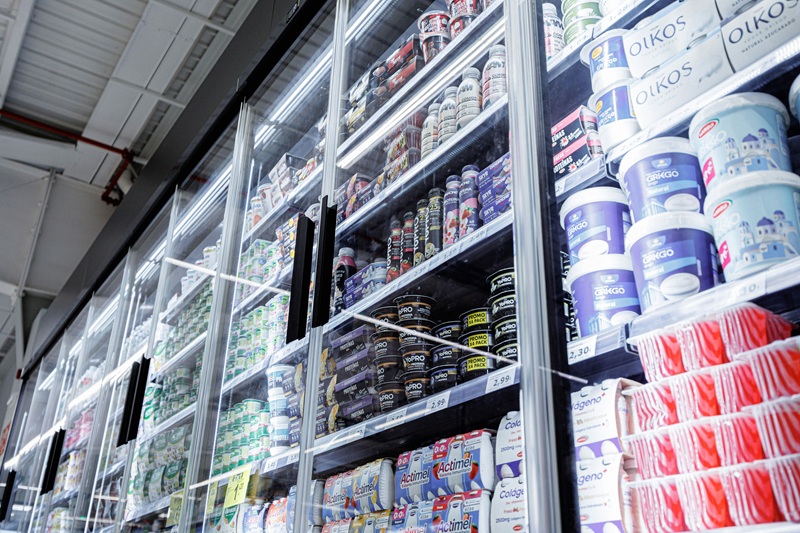
Food Storage Rack in a grocery store.

FSMA Compliance Temperature Monitoring: What Food Distributors Need to Know

For food distributors, commercial kitchens, cold storage warehouses, and grocery operations, food safety isn’t just an operational priority—it is a strict legal mandate. Under the FDA’s Food Safety Modernization Act (FSMA), businesses that transport, store, or process perishable food items must demonstrate strict, documented preventative controls against temperature excursions. Failing an FSMA audit or suffering

FSMA Compliance Temperature Monitoring: What Food Distributors Need to Know Read More »

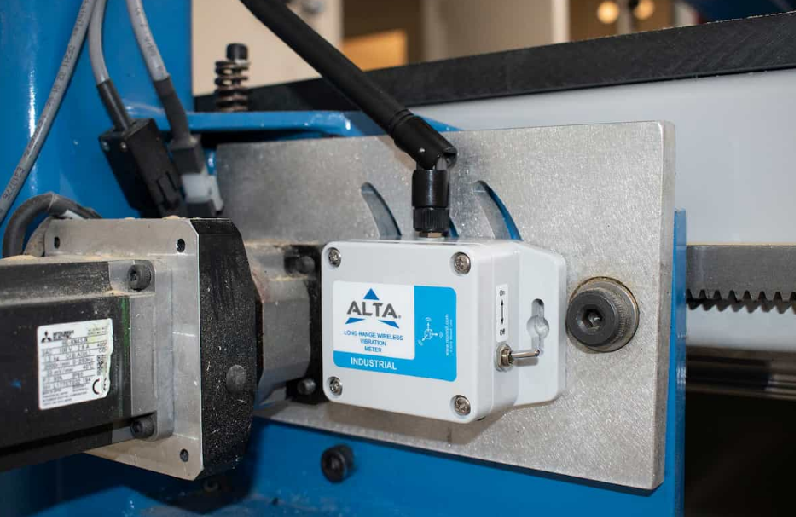
Wireless HVAC vibration sensor installed on a commercial equipment.

How Wireless Power & Vibration Sensors Flag HVAC Failure Before It Happens

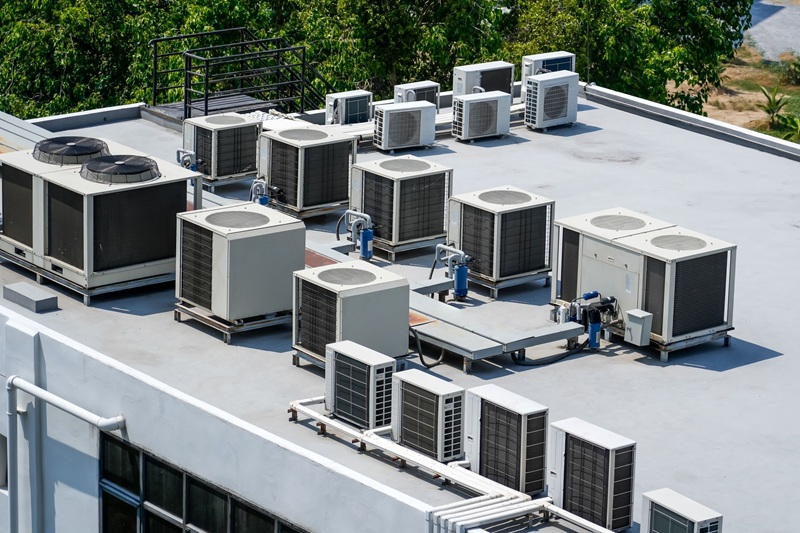
Commercial heating and air conditioning units rarely fail without warning. Long before a compressor seizes or an air handler motor burns out, the machine gives off early physical indicators that something is wrong. The motor starts vibrating slightly as bearings wear down. The electrical draw spikes as the system struggles against internal resistance. To the

How Wireless Power & Vibration Sensors Flag HVAC Failure Before It Happens Read More »