
July 2026

Property asset manager reviewing facility capital expenditure planning documents on a computer.

CapEx vs. OpEx: How Proactive Maintenance Protects Property Valuation

For commercial property owners and asset managers, maintaining a clear line between Capital Expenditures (CapEx) and Operating Expenses (OpEx) is vital for long-term financial health. The problem occurs when a lack of operational maintenance forces major equipment to fail years before its expected end-of-life. Suddenly, a planned operational expense turns into an emergency CapEx expenditure.

CapEx vs. OpEx: How Proactive Maintenance Protects Property Valuation Read More »

Commercial plumbing technician performing preventative valve maintenance in a building mechanical room.

How Routine Commercial Plumbing Audits Prevent Costly Water Main Failures

Water supply lines run silently behind the walls and beneath the floors of every commercial property. Because plumbing works without daily intervention, it is easy for property managers to take water infrastructure for granted—until a main supply line fails or a shutoff valve freezes shut during an emergency. Emergency plumbing calls aren’t just expensive; they

How Routine Commercial Plumbing Audits Prevent Costly Water Main Failures Read More »

Wireless temperature monitoring probe installed inside a commercial restaurant walk-in cooler.

Walk-In Cooler Monitoring: What Restaurants and Food Distributors Need to Know

For restaurants, grocery operators, and food distributors, walk-in coolers and freezers house your most valuable daily asset: your inventory. A single refrigeration failure over a holiday weekend or overnight can result in $5,000 to $15,000 in lost food, emergency repair fees, and lost health inspection points. Despite this massive financial risk, many food service businesses

Walk-In Cooler Monitoring: What Restaurants and Food Distributors Need to Know Read More »

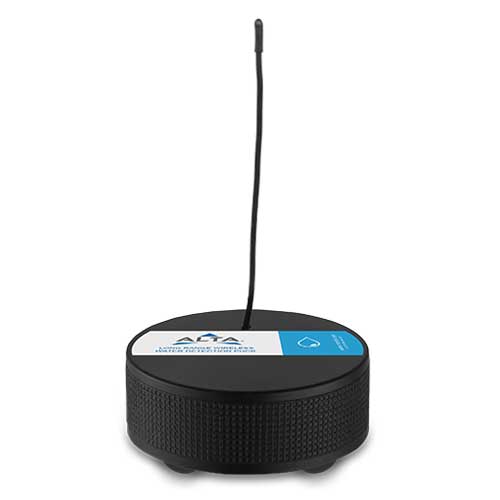
Wireless water leak detection sensor placed near a commercial water heater base.

Water Leak Sensors for Commercial Buildings: Where to Place Them for Maximum Protection

Water damage is every property manager’s worst nightmare. Unlike a slow heating issue or a flickering light, an undetected water leak causes severe, immediate damage that compounds by the minute. A broken supply line over a weekend can flood elevator shafts, ruin server infrastructure, destroy ceiling tiles, and create mold hazards that cost tens of

Water Leak Sensors for Commercial Buildings: Where to Place Them for Maximum Protection Read More »

Field service technician using a digital tablet to confirm a completed repair work order.

How Modern Work Order Tracking Gives Facility Managers Real Accountability

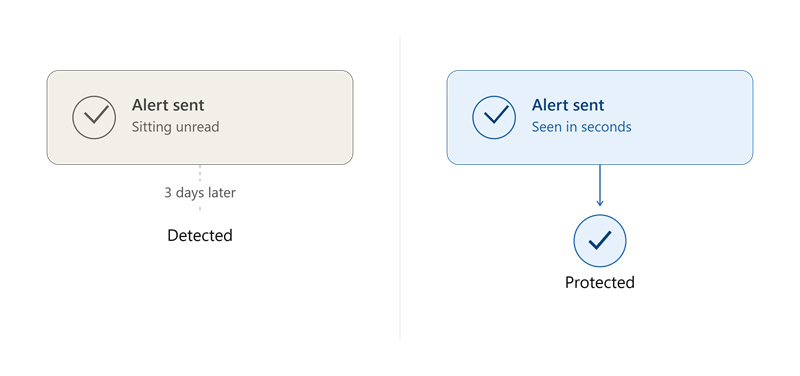
Where do facility repair requests go to die? Usually, in one of three places: an unread email thread, a sticky note on a desk, or a verbal conversation in a hallway. For facility managers trying to oversee multiple properties or large commercial spaces, managing repair requests manually is a constant headache. Tasks get forgotten, tenants

How Modern Work Order Tracking Gives Facility Managers Real Accountability Read More »

Property manager reviewing organized facility operations schedules.

5 Signs Your Building Operations Are Running in Reactive Mode

Every facility manager wants to be proactive. We all prefer smoothly running equipment, predictable monthly costs, and satisfied tenants. But in the day-to-day chaos of managing commercial properties, it is dangerously easy to drift into reactive mode. Reactive mode means the tenant or the broken equipment dictates your daily schedule. You spend your morning answering

5 Signs Your Building Operations Are Running in Reactive Mode Read More »

Commercial HVAC technician performing preventative maintenance on a rooftop unit.

How Preventative Maintenance Contracts Actually Save Money on Commercial HVAC Systems

If you manage a commercial building, you already know the sinking feeling that comes with an emergency call from a tenant in mid-July: “The air conditioning on the third floor just went out.” Suddenly, you aren’t managing your day—you’re managing a crisis. You are paying emergency technician callout fees, waiting on hard-to-find replacement parts, and

How Preventative Maintenance Contracts Actually Save Money on Commercial HVAC Systems Read More »

What “Response Time” Actually Means in a Facility Services Contract

Almost every facility services proposal includes a response time commitment. “4-hour emergency response.” “Same-day for standard work orders.” These numbers show up in nearly every contract a facility manager reviews, and they are almost never defined precisely enough to mean what a buyer assumes they mean. Response Time to What, Exactly The first question worth

What “Response Time” Actually Means in a Facility Services Contract Read More »

Why Most Vendor SLAs Don’t Actually Hold Anyone Accountable

Almost every facility services contract has a response-time clause. “Emergency response within 4 hours.” “Standard work orders acknowledged within 24 hours.” These numbers show up in nearly every proposal a facility manager reviews. Very few of those numbers actually get enforced. That gap — between what’s written and what’s real — is the single most

Why Most Vendor SLAs Don’t Actually Hold Anyone Accountable Read More »

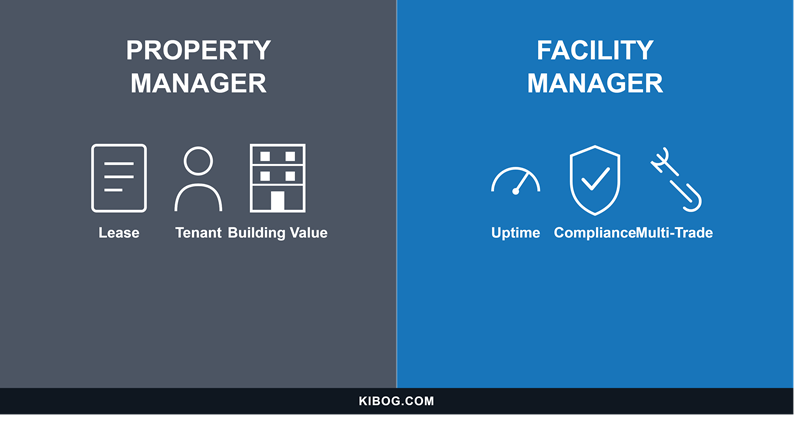
Facility Manager vs Property Manager: Why the Distinction Matters When You’re Hiring a Vendor

If you have ever sat in a vendor pitch meeting wondering why the conversation felt slightly off — like the vendor was answering questions nobody asked — there is a good chance the mismatch was this: they were pitching to a property manager, and you are a facility manager. Or the reverse. The two roles

Facility Manager vs Property Manager: Why the Distinction Matters When You’re Hiring a Vendor Read More »