
Imagine this scenario: It’s 1:30 AM on a Saturday. A water pipe behind a utility room wall bursts, or a commercial walk-in freezer’s compressor cuts out.
Your wireless sensor works perfectly. It detects the anomaly instantly, triggers an alert, and sends an automated email to your inbox.
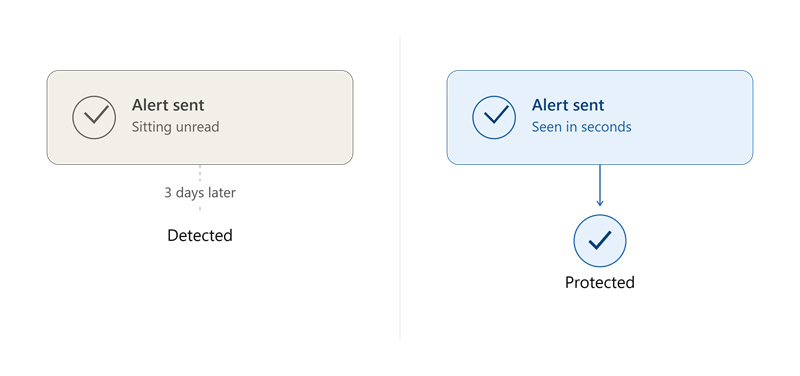
At 7:30 AM, you wake up, pour a cup of coffee, and open your email. There, sitting right between a newsletter and a spam message, is the alert from 1:30 AM. You rush to the facility, but six hours have passed. The freezer is warm, or water has soaked through three floors of drywall.
The sensor did its job. But your facility still suffered thousands of dollars in damage.
Email Is a Communication Tool, Not an Emergency Alarm
Many facility operators install wireless monitoring systems and assume they are fully protected. But relying on email notifications for urgent physical problems creates a dangerous false sense of security.
Here is why email alerts consistently fail during real emergencies:
- Inboxes are crowded: Important alerts get buried under dozens of routine daily messages.
- People sleep: Nobody monitors their work inbox at 2:00 AM on a Sunday.
- Notifications get silenced: Most people put their phones on “Do Not Disturb” overnight.
- Emails produce awareness, not action: Even if you see an alert email at 2:00 AM while away on vacation, what can you physically do about it right then?
The Difference Between Notification and Response
There is a massive difference between getting notified that something is wrong and having someone respond to fix it.
A notification tells you that water is on the floor.
A monitored response means a human acknowledges the alert within minutes and dispatches a technician to turn off the main valve.
Closing the Alert Gap
To actually protect a commercial property, your monitoring system needs three elements working together:
- Reliable Sensors: Devices that detect changes in temperature, water, or power.
- Human Acknowledgment: A dedicated team whose job is to actively watch for alerts and confirm them when they fire.
- Physical Dispatch Capabilities: Qualified service professionals who can be dispatched immediately to resolve the physical problem.
If your current monitoring setup relies on alert emails sitting in an inbox overnight, you don’t have a protection system—you just have an expensive digital paper trail.
Are your building alerts sitting unread in an inbox?
Learn how Kibog Response provides 24/7 human monitoring and physical dispatch to protect your properties.