
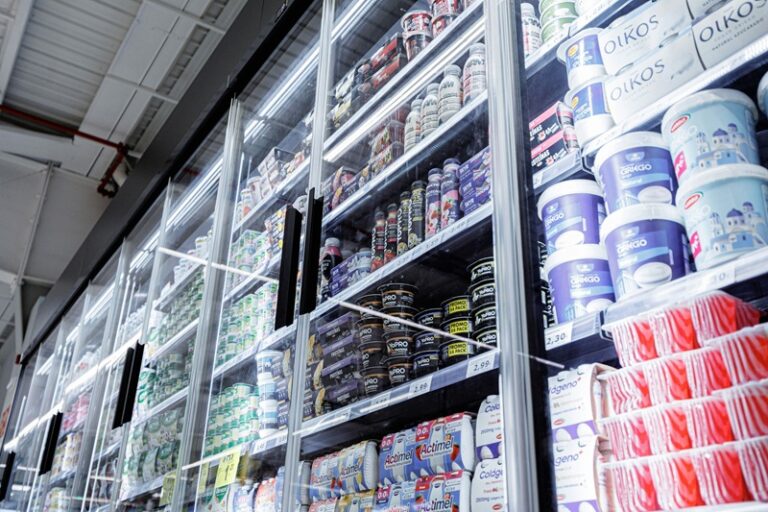
For food distributors, commercial kitchens, cold storage warehouses, and grocery operations, food safety isn’t just an operational priority—it is a strict legal mandate.
Under the FDA’s Food Safety Modernization Act (FSMA), businesses that transport, store, or process perishable food items must demonstrate strict, documented preventative controls against temperature excursions.
Failing an FSMA audit or suffering an unmonitored temperature failure leads to severe consequences: ruined shipments, costly product recalls, health department fines, and permanent reputational damage.
Here is how automated FSMA compliance temperature monitoring keeps your operations safe and audit-ready.
The Problem with Manual Temperature Logs
Historically, food facilities relied on employees walking around with clipboards, manually writing down walk-in cooler temperatures twice a day.
Under modern FSMA standards, manual logging has severe flaws:
- Gaps in Data: Manual logs show temperature at 8:00 AM and 5:00 PM, but tell you nothing about conditions overnight.
- Human Errors: Busy staff members may forget checks or write down inaccurate numbers.
- Audit Friction: Handing an FDA or health inspector a stack of paper clipboards creates suspicion and lengthens the audit process.
Continuous Digital Logging for FSMA & HACCP
Automated monitoring replaces paper clipboards with wireless temperature probes mounted directly inside cold storage units, refrigerated trucks, and prep areas.
- Continuous Data Records: Sensors record temperature readings every few minutes around the clock.
- Instant Excursion Alerts: If a cooling unit strays outside safe regulatory limits, designated managers receive instant alerts.
- Automated Cloud Reports: Digital records are stored securely online. When an inspector asks for proof of compliance, you generate a clean, time-stamped report covering weeks or months in seconds.
Cellular Connectivity: The Compliance Safety Net
What happens if local internet or power cuts out at your distribution facility over the weekend?
To guarantee zero compliance data loss, commercial cold chain systems use independent cellular gateways. The monitoring network operates over multi-carrier cellular connections, sending data to the cloud even if your building’s local WiFi goes offline.
Combining continuous cellular logging with 24/7 monitored response ensures that if a freezer fails overnight, an alert triggers and a technician is dispatched before product is lost.
Simplify your FSMA compliance and protect your food inventory.
Learn more about our specialized hardware packages on our IoT Solutions Hub.